
Helping Athletes Gain Size & Strength the Right Way
One of the most common things I hear from athletes and parents is:
“He just can’t gain weight.”
Or…
“She works hard but struggles to get stronger.”
And honestly, this is extremely common in young athletes.
A lot of athletes are incredibly active between practices, games, workouts, PE classes, running around with friends, and just being kids. Their bodies are burning through a huge amount of calories every single day. So even though they may feel like they’re eating “a lot,” many times they’re still not eating enough to actually support muscle growth and strength development.
The good news?
This can absolutely be improved with the right approach.
At Build Performance, one of the things we focus heavily on is helping athletes not only become faster and more explosive, but also helping them build the physical foundation needed to perform at a higher level.
Because skill development matters.
But skill can only be expressed as well as the body allows.
If the strength foundation is limited… eventually the ceiling for speed, power, and athletic performance becomes limited too.
So how do we help athletes properly gain size and strength?
First: we need to consume more calories than the body is burning.
If an athlete’s body is using 2,000 calories per day through daily activity, training, sports, and normal growth, then they need to consistently consume MORE than that if we want muscle gain to occur.
Typically we want to do this slowly and strategically.
The goal is not simply “gain weight.”
The goal is to gain quality size and muscle while minimizing unnecessary body fat gain.
For many athletes, that may mean eating roughly 300–500 calories above maintenance consistently over time.
Second: prioritize protein intake.
Protein is the building block for muscle growth and recovery.
A lot of younger athletes drastically under-eat protein, especially athletes that are picky eaters or constantly on the go.
Protein sources could include:
Eggs
Chicken
Ground beef
Steak
Greek yogurt
Protein shakes
Milk
Cottage cheese
And lastly: carbohydrates are extremely important.
Carbs often get unfairly demonized, but for athletes they are one of the best tools we have.
Carbohydrates help:
Fuel practices
Fuel speed and strength training
Improve recovery
Support performance
Help athletes train harder and recover better
For active athletes, carbs are not the enemy.
They are fuel.
Things like:
Rice
Potatoes
Oatmeal
Pasta
Fruit
Bagels
Cereal
can all be great tools when used correctly.
Hydration is another huge piece that often gets overlooked.
If an athlete is constantly dehydrated, performance suffers. Recovery suffers. Energy levels suffer.
Especially during the summer months, hydration and electrolytes become extremely important.
So what might a sample day of eating look like for an athlete trying to gain size?
Breakfast:
Eggs, oatmeal, fruit, milk
Snack:
Protein shake and granola bar
Lunch:
Chicken, rice, fruit. Don’t be afraid to utilize sauces as needed to help increase calories and make meals easier to eat consistently.
Pre-workout:
PB&J sandwich, granola bar with honey, or rice cakes with peanut butter
Post-workout:
Protein shake and rice crispy treats or fruit
Dinner:
Ground beef, potatoes, vegetables
Evening snack:
Greek yogurt with granola
Simple. Consistent. Repeatable.
And honestly, that last part is the key.
Consistency.
Not eating huge amounts one day and barely eating the next.
Not skipping breakfast.
Not going all day without protein.
Just consistently fueling the body well over time.
Summer is honestly one of the BEST opportunities for athletes to make this kind of progress.
With school out, schedules become more flexible and athletes can finally get a consistent stretch of training, recovery, eating, and sleep.
This is the time where athletes can come back in August:
Bigger
Stronger
Faster
More confident
And that physical development can completely change how they perform when their next season arrives.
At Build Performance, our goal is to help athletes develop the complete foundation:
Strength
Speed
Power
Movement quality
Confidence
Because better athletes are BUILT over time.
— Coach Kyle
Build Performance
Training Isn’t Just for Athletes
When most people think about our athlete training program, they picture kids trying to get faster for football, stronger for baseball, or more explosive for basketball.
And yes — we absolutely help athletes improve their performance in sports.
But honestly, that’s only part of what we do.
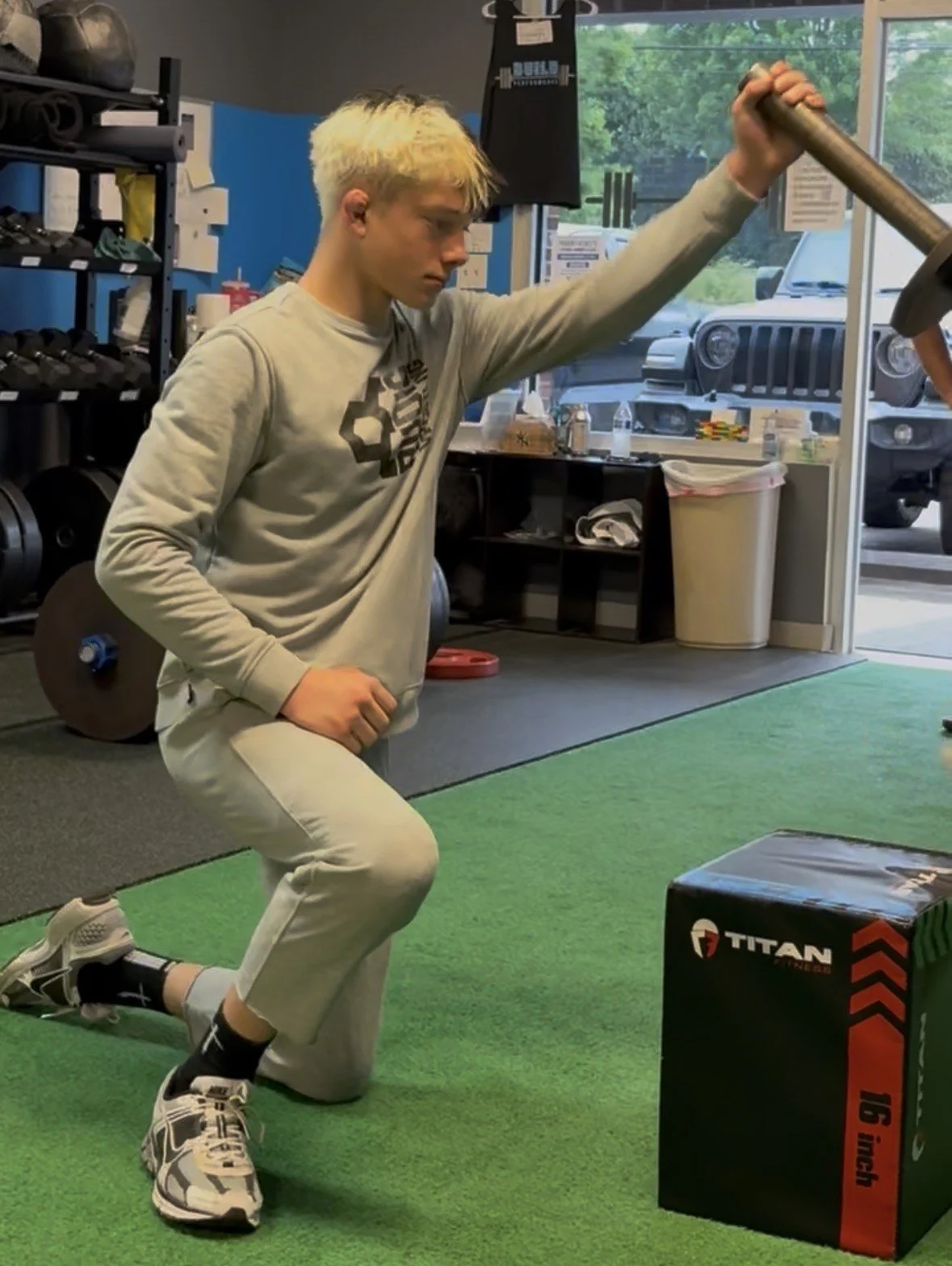
Some of the most rewarding transformations we see in the gym come from teenagers who aren’t heavily involved in sports at all.
Some come because they simply want to get stronger.
Some want to learn how to work out.
Some want to feel healthier.
Some just need a place where they can grow in confidence.
And for a lot of teenagers today… that matters more than ever.
One of the biggest changes I notice in these teens has nothing to do with the weight on the bar.
It’s confidence.
A lot of kids walk into the gym for the first time unsure of themselves. Head down. Quiet. Nervous. Unsure where they fit in. Maybe a little anxious or shy.
That’s normal.
But over time, something starts to change.
They begin learning movements.
They see themselves getting stronger.
They add weight to exercises they once struggled with.
They realize they can do hard things.
And slowly, that confidence starts carrying over into everyday life.
You see it in the way they walk into the gym.
You see it in the conversations they start having.
You see it in the eye contact, posture, and willingness to speak up.
Parents notice it too.
I’ve had many parents tell me they’ve seen improvements not only physically, but socially, emotionally, and academically as well.
Sometimes that confidence even opens doors they never expected.
I’ve seen teens who originally had no interest in school sports eventually decide to try something new because they finally believed in themselves enough to give it a shot.
Another thing we see often during the teenage years is kids simply trying to figure out their bodies.
Some are growing rapidly.
Some are going through major hormonal changes.
Some suddenly feel awkward and uncoordinated after a growth spurt.
Strength training can help tremendously with body awareness, coordination, posture, balance, and overall movement control. It helps teenagers learn how to move well and feel comfortable in their own bodies again.
And beyond all of that, there are major long-term health benefits.
We’ve had teens improve body composition, gain muscle, lose weight, improve posture, move better, and simply feel healthier overall.
But maybe one of my favorite things we teach is independence.
Some parents come to us because their teen wants to work out on their own eventually — maybe at the YMCA, Planet Fitness, or with friends — but they don’t really know what they’re doing yet.
We take a lot of pride in teaching the why behind training.
Not just “do this exercise,” but:
what it trains
why it matters
how to do it safely
how to progress correctly
Our goal is to help them build a lifelong skill.
Because whether someone plays sports or not, learning how to take care of your body through strength training is something that can benefit them for decades.
Inside our sessions, we still incorporate athletic-style movements because they’re incredibly valuable for overall development:
short sprints
jumps
medicine ball throws
coordination work
Then we move into strength training.
Each session focuses on foundational movement patterns:
squat movements
upper body pushing
upper body pulling/rows
hinge movements for the glutes and hamstrings
From there we add accessory work for things like:
arms
shoulders
core
posture
stability
We usually finish with loaded carries, which are fantastic for core strength, grip strength, posture, and overall athleticism.
Most importantly, we teach them how to progress the right way.
No ego lifting.
No maxing out every week.
No trying to impress people.
Just learning how to slowly improve over time through consistency and smart training.
At Build Performance, our mission has never been just creating better athletes.
It’s helping young people become stronger, healthier, and more confident versions of themselves.
And sometimes the biggest wins happen far beyond sports.
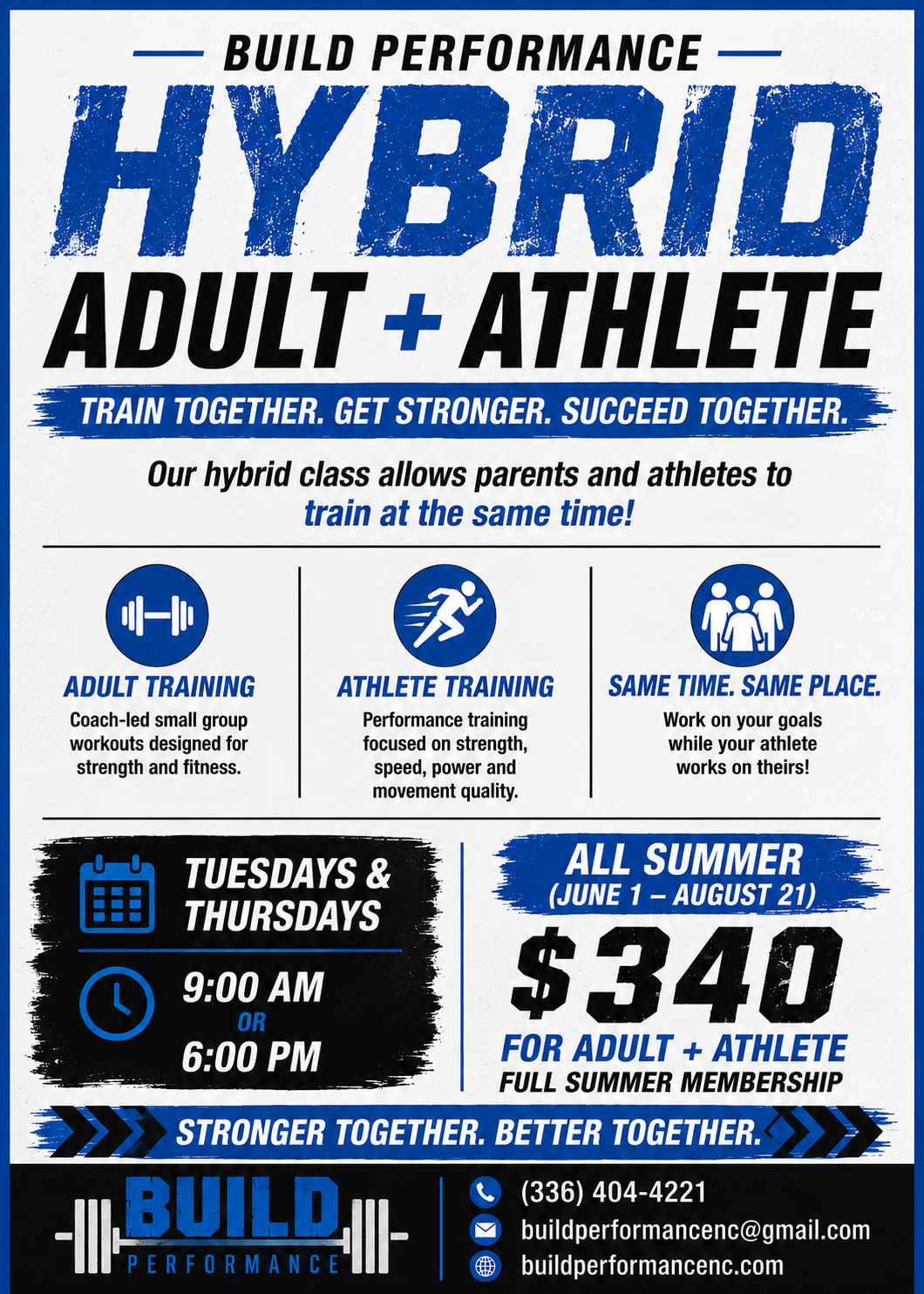
Parents, want to train alongside your child? Each receiving small group style coaching and goal specific programming? Check out our Hybrid Classes…
The 8–10 Weeks That Can Change Your Athlete
Summer is here.
The school year has ended… and for a lot of kids, all routines go out the window.
Bedtimes? Gone.
More video games. More time on the phone.
And for many kids, it becomes:
“Finally… time to relax.”
And honestly—I get it.
After a long school year, everyone needs a mental break.
But here’s the reality…
👉 For athletes (and really any kid), summer is the biggest opportunity of the year to actually improve.
⚖️ Summer Isn’t Just a Break… It’s a Window
During the school year, schedules are packed.
School all day.
Practice after school.
Homework at night.
It’s tough to consistently get into the gym—and I give a lot of credit to the athletes who make it happen.
But summer changes that.
More flexibility.
More time.
More opportunity.
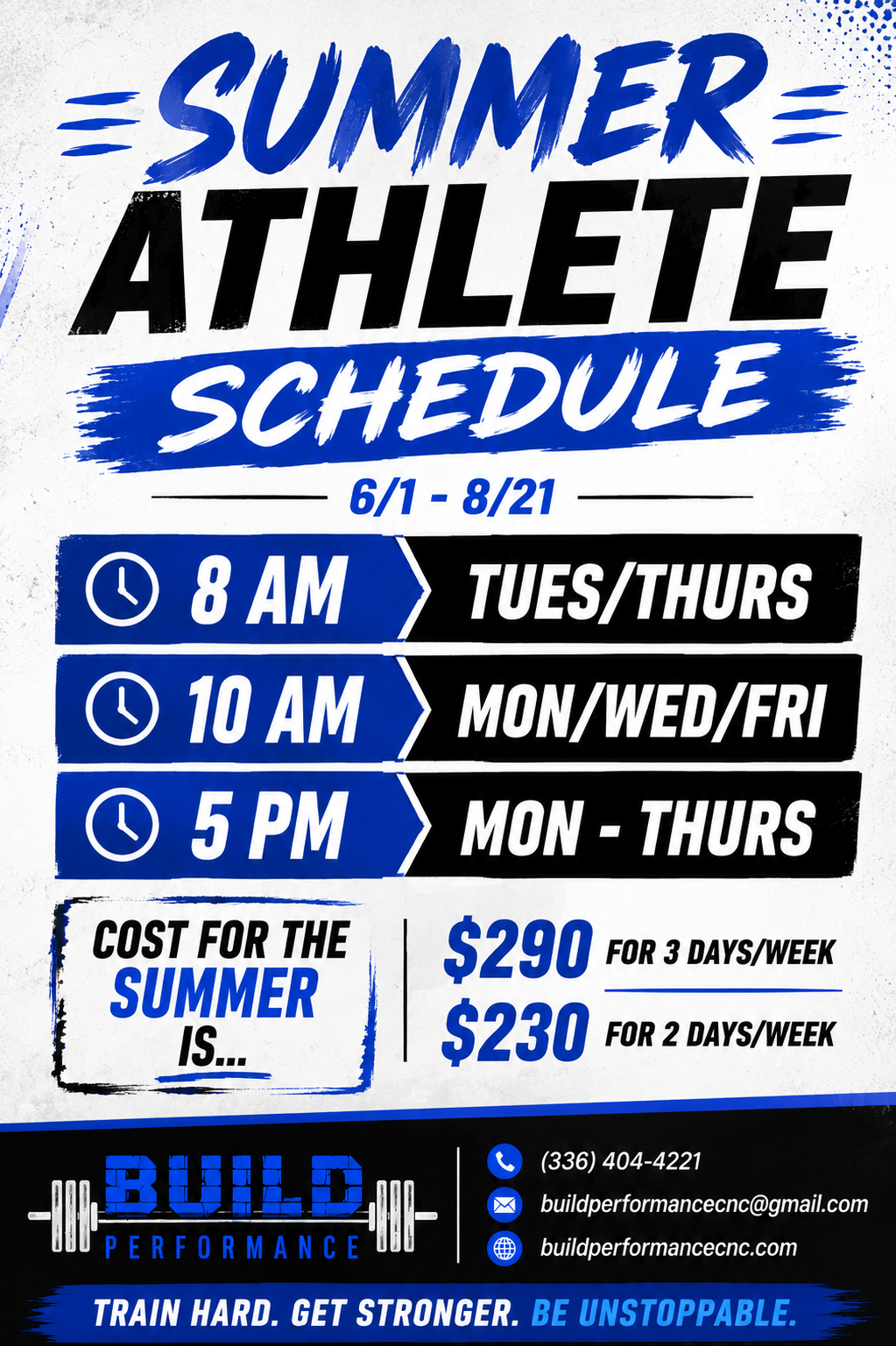
At Build Performance, we expand our schedule in the summer—adding morning, mid-morning, and evening options—so families can actually make training fit.
👉 This is where you can stack 8–10 weeks of consistent training.
And that’s enough time to make real, noticeable change.
🧠 The Truth Most People Miss
A lot of athletes will spend their summer:
Playing more games
Going to camps
Getting more skill work in
And there’s nothing wrong with that.
But here’s what’s usually missing…
👉 If the physical foundation isn’t there, skill can only go so far.
I say this a lot:
“Skill is only as good as the body behind it.”
If strength, speed, and power aren’t developed…
that skill can’t be fully expressed.
💪 What We Actually Focus On
At Build Performance, we focus on three main areas:
Strength (The Foundation)
Everything starts here—especially relative strength (strength compared to body weight).
The stronger an athlete is relative to their body…
the more force they can apply into the ground.
👉 More force = more speed and more power
Speed (Shows Up Everywhere)
Speed isn’t just straight-line sprinting.
It’s:
First step quickness
Acceleration
Change of direction
Closing space
We train this through resisted sprints, partner competition, and game-like sprint patterns.
And one key detail:
👉 We fully recover between sprints so every rep is fast and intentional.
Power (Explosiveness)
Power is the ability to express strength quickly.
This shows up in:
Sprinting
Jumping
Hitting and throwing
Changing direction
This is where athletes start to look different.
(Bonus) Movement Quality
Learning how to move well:
Helps prevent injury
Builds confidence
Improves everything else we train
🚫 The Biggest Summer Mistake
The most common mistake?
👉 Only playing the sport year-round
Even if an athlete loves their sport—that’s great.
But if all they do is play, they’re:
Moving the same way over and over
Increasing risk of overuse injuries
Not developing physically
Training gives them:
A new challenge
A competitive outlet
A way to actually improve their body
🏁 Imagine This…
An athlete trains consistently this summer…
8–10 weeks.
They show up in August:
Stronger
Faster
More confident
👉 They’re not the same athlete anymore.
🏋️♂️ What We’re Offering This Summer
We’ll be releasing our full summer schedule soon, including:
Morning, mid-morning, and evening training options
Small group athlete performance sessions
A structured focus on strength, speed, and power
We’re also bringing back our Youth Development Class (ages 8–12)
This was a big hit for us last summer.
Think of it like an advanced PE class, focused on:
Speed & agility
Balance & coordination
Bodyweight strength
Movement fundamentals
Intro to weight training
👉 It’s a great way to build a foundation and prepare younger athletes for our main training program.
👨👩👧 Hybrid Training (Athletes + Parents)
We’ll also be offering hybrid sessions where athletes and parents can train at the same time.
This is perfect for families who:
Want to train themselves
Have multiple kids
Or just need something that fits their schedule
👉 Parents get a great workout
👉 Athletes get structured performance training
👉 Everyone is in the gym at the same time
🎯 Final Thought
Most athletes will spend their summer staying busy…
But not actually getting better.
👉 This can be the summer things change.
If you want your athlete to come back next season stronger, faster, and more confident—
Now is the time to start.
Why Speed Training Matters for Young Athletes
What separates the athletes who stand out… from the ones who blend in?
It almost always comes back to one thing:
Speed.
And not just sprinting in a straight line.
Speed shows up in every play.
Speed Shows Up Everywhere
When most people think of speed, they think of running a fast 40-yard dash.
And while that matters, it doesn’t tell the full story.
The best 40-yard dash runners aren’t always the best football players.
But it does show potential.
Because real, usable speed — what we call game speed — is different.
Game speed is:
Acceleration
Reaction
Change of direction
In sports, it looks like:
Football → getting off the line, closing space, breaking away
Baseball → base running, reacting to the ball, tracking it down
Basketball → first step, defense, transition
Soccer → changing direction, closing gaps, winning the ball
Here’s what’s really happening:
First, the brain processes the environment.
Then, the body reacts.
Then, the athlete accelerates in a new direction.
That’s game speed.
Speed Creates Opportunity
Speed changes everything.
Speed gives athletes more chances to succeed — even when everything else isn’t perfect.
Faster athletes get more reps
Coaches notice speed immediately
Speed can cover up mistakes
You don’t have to be perfect when you’re fast.
You just have to be close.
Speed Builds Confidence
Confidence isn’t something athletes just “have.”
It’s built.
When an athlete knows they can move faster than the competition:
They play more aggressive
They trust their instincts
They stop hesitating
And here’s the truth:
Even if your athlete isn’t the fastest on the field…
If they become a faster version of themselves, they will be more successful.
Confidence increases when athletes know they can outrun or out-react their competition.
Speed Is a Skill
A lot of athletes think speed is something you’re born with.
But that’s only part of it.
Speed isn’t just talent — it’s a skill.
And like any skill, it can be developed.
Mechanics matter
Technique matters
Consistency matters
The problem?
Most athletes never actually learn how to run.
What We Do at Build
At Build Performance, speed training is intentional and structured.
It starts with preparation.
Our warm-ups are designed to get the body ready to move efficiently.
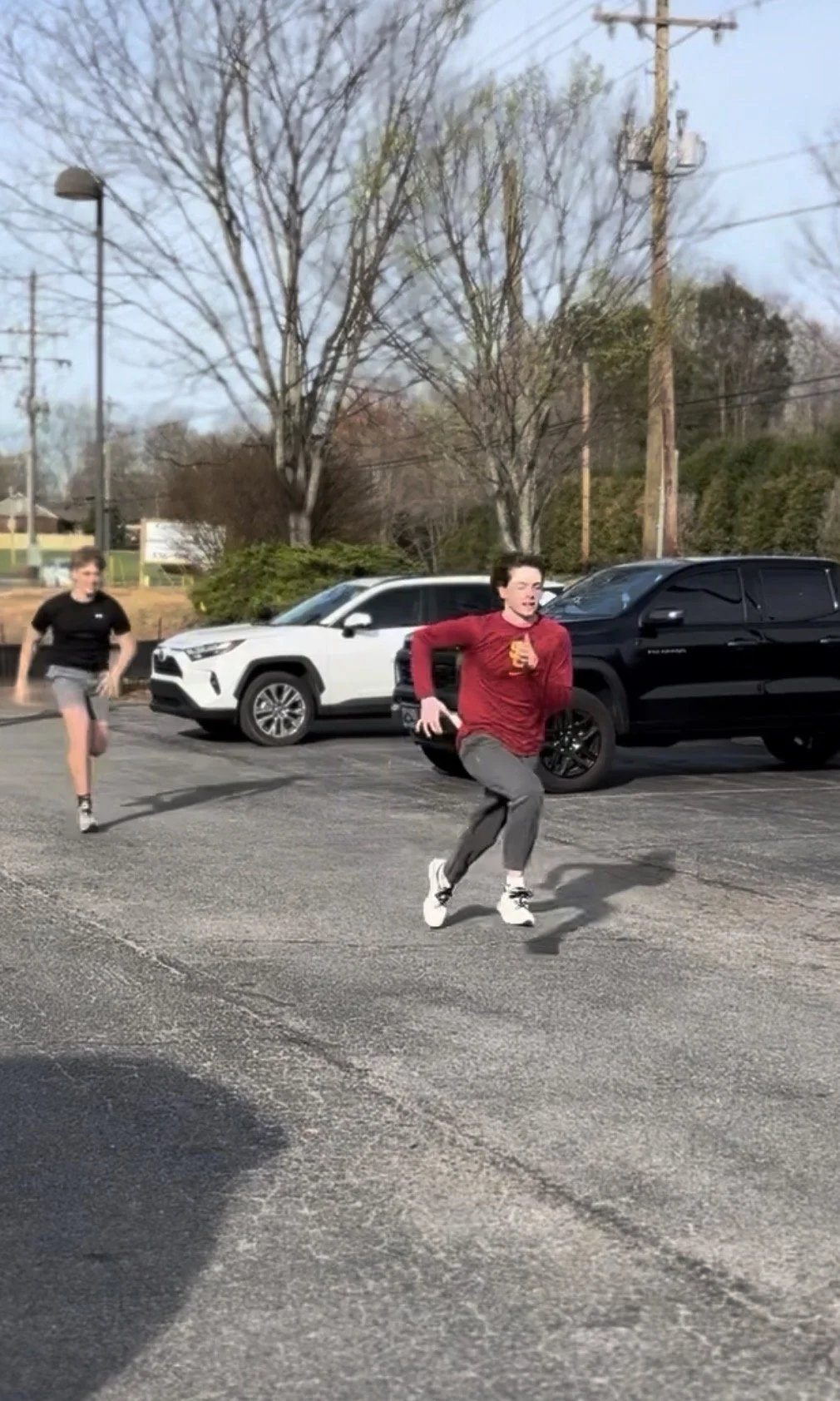
We use:
Pogo jumps to strengthen the feet, ankles, and calves
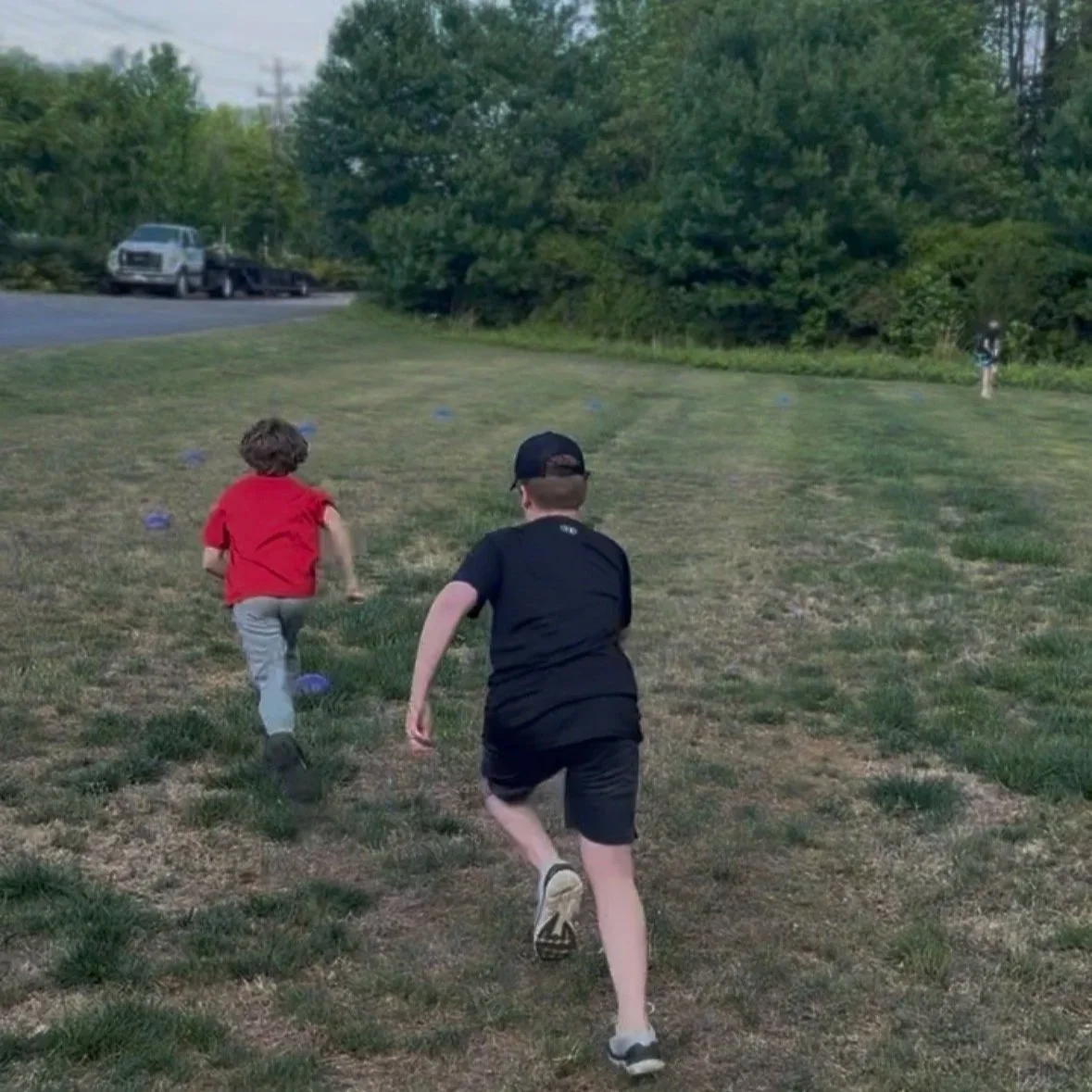
Resisted sprints (sleds, hills) to build acceleration
Curved sprints to train movement in real game patterns
Timed sprints to track progress
Chasing sprints to bring out maximum effort
We also add elements that force athletes to react, change direction, and accelerate — just like in a game.
On top of that:
Plyometrics and med ball throws build explosive lower-body power
Strength training builds relative strength — the ability to produce force relative to body weight
This matters because:
The stronger an athlete is relative to their size, the easier it is to move their body quickly and efficiently.
That’s speed.
Why Young Athletes Benefit the Most
Speed training is especially important at a young age.
Because this is when athletes are developing:
Their nervous system
Their coordination
Their movement patterns
You’re building the engine.
The earlier athletes learn how to move efficiently, the higher their ceiling becomes.
Speed Training Helps Prevent Injuries
This is something many parents don’t realize.
Speed training isn’t just about performance.
It’s about protection.
When athletes learn to move properly, they:
Improve mechanics
Build stronger muscles and tendons
Gain more control
We’re not just making athletes faster.
We’re helping them build armor.
What Most Athletes Are Missing
Most athletes are working hard.
But they’re often missing the most important piece.
Random workouts
Only lifting weights
Jogging or conditioning without purpose
Sprinting without full recovery or intensity
True speed development requires:
Near full recovery between sprints
Maximum effort (close to 100%)
Proper mechanics and coaching
Most athletes are working hard — just not in the areas that matter most.
Why This Matters Right Now
Speed doesn’t develop overnight.
It takes time.
And right now — in the spring — is the best time to build it.
Because once summer workouts begin…
You can’t coach speed into a game.
It has to already be there.
Final Thought
Speed is one of the biggest ways athletes prepare for summer workouts and fall seasons.
The athletes who stand out later…
Are the ones who started now.
If your athlete is serious about improving, this is the time to begin.
Because speed doesn’t just change how fast you move…
It changes how you play.
-Kyle
Summer Workouts Are Coming — Is Your Athlete Ready?
Most athletes think summer workouts are where they get better.
In reality… summer workouts reveal who prepared — and who didn’t.
Right now is the time to build the foundation.
Strength.
Speed.
Power.
This is what everything else is built on.
When athletes take the spring seriously and commit to building that base, something powerful happens:
They don’t just improve…
They become more skilled, more confident, and more prepared when it matters.
By the time summer workouts begin, their movements are cleaner, their technique is dialed in, and they’re able to hit the ground running instead of trying to catch up.
And by the time fall season rolls around… they’re often unrecognizable compared to where they started.
If your athlete is currently in an offseason (no games, no practices), there is no better opportunity.
No distractions.
No time constraints.
No competing priorities.
Just a chance to develop.
Everything in sport becomes easier when an athlete is:
✔️ Stronger
✔️ Faster
✔️ More explosive
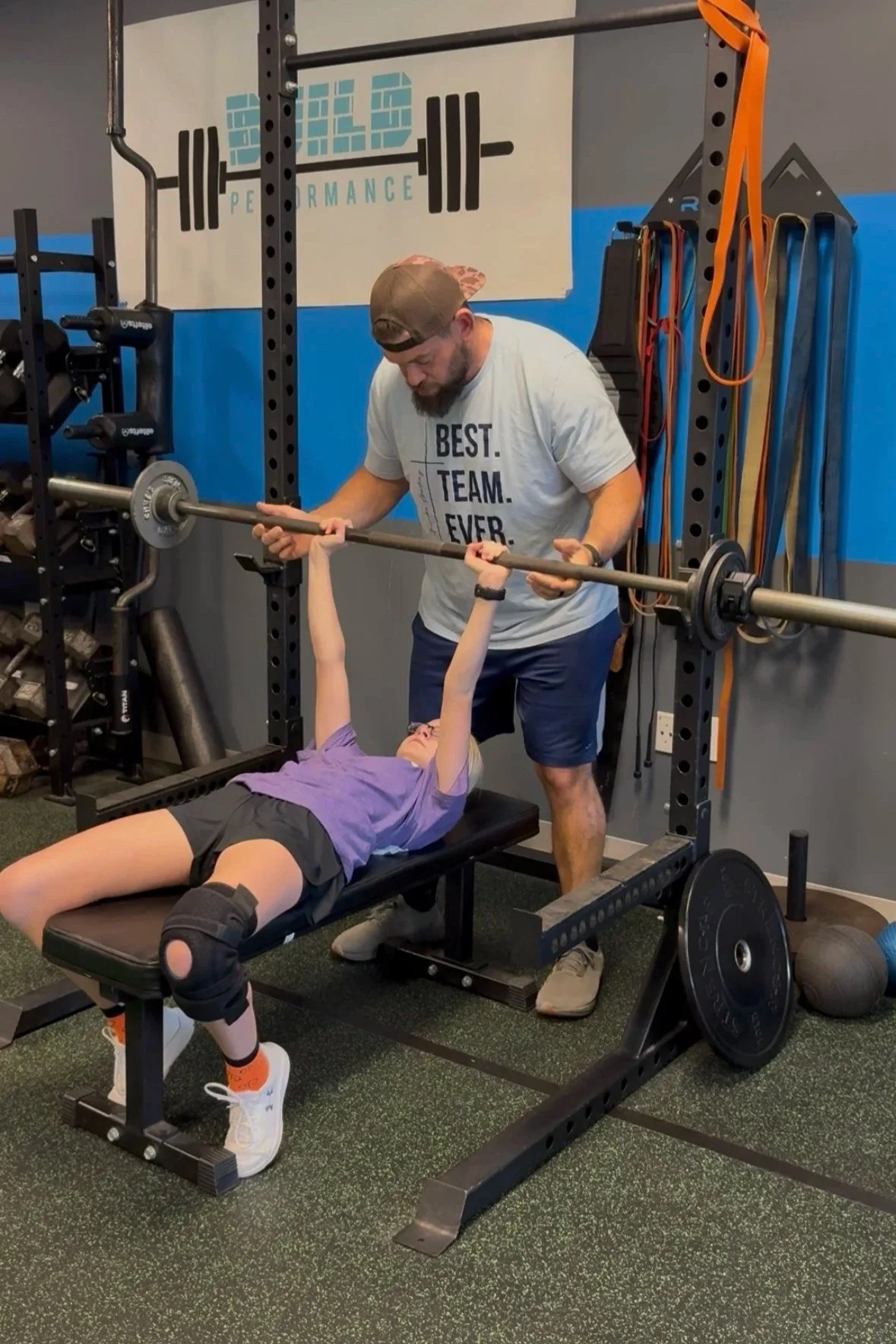
For high school athletes, this should look like training 3x per week.
For middle school athletes, at least 2x per week.
And if your athlete isn’t getting the playing time they want…
This is the solution.
Not hoping. Not waiting. Not wishing.
Improving their athleticism.
For many athletes, summer workouts are competitive.
They’re fast-paced.
They’re intense.
And they often influence early opportunities in:
• Scrimmages
• Depth charts
• Early-season playing time
Coaches assume a baseline level of readiness.
Athletes who prepared in the spring show up confident and ready.
Athletes who didn’t… feel behind from day one.
We’re only a limited number of weeks away from summer workouts starting.
That time will pass either way.
The question is:
Will your athlete be ready when it arrives?
One of the biggest things we consistently hear from parents is this:
“My athlete is so much more confident.”
And that confidence shows up everywhere:
• In their effort
• In their performance
• In how they carry themselves
Confidence isn’t built during the season.
It’s built before it starts.
If your athlete is serious about improving — now is the time to begin.
Because summer doesn’t build athletes…
It reveals them.
-Kyle
Early Bloomer vs. Late Bloomer
Between middle school and early high school, athletes don’t just improve skill — they change physically. And they don’t all change at the same time.
Some athletes appear to dominate early. Others struggle just to keep up.
Parents often assume those early patterns will continue.
They rarely do.
Early success does not guarantee long-term dominance.
Early struggle does not predict long-term limitation.
The middle school to early high school years are defined by differences in physical timing — and how an athlete trains during that window often determines who thrives later.
Let’s look at the common developmental paths.
The Early Developer
This is the athlete who matures physically ahead of their peers.
They may be:
Taller earlier
Stronger earlier
Faster earlier
More coordinated earlier
In youth sports, that advantage is significant.
They get:
More playing time
More reps in games
More confidence
Often leadership roles
Early success builds identity. It builds belief.
And that’s powerful.
But it can also create a trap.
The Early Developer Trap
When success comes easily, development often slows.
The early developer may:
Prioritize playing over training
Specialize too early because they’re excelling
Skip foundational strength work
Avoid uncomfortable weaknesses
Then something happens around 8th, 9th, or 10th grade.
Everyone else begins to catch up physically.
The gap that once felt massive shrinks quickly.
If that early-developing athlete has not built:
Movement quality
Strength foundation
Power production
Conditioning habits
They often feel like they’ve “lost” something.
They haven’t.
The playing field simply leveled.
But here’s the key:
If the early developer pairs their natural timing advantage with intentional strength and movement training, good nutrition habits, and long-term development…
Now the advantage multiplies.
They combine:
Years of confidence and game experience
Early leadership reps
And a physical foundation that continues to grow
That athlete doesn’t just stay ahead — they separate.
The Late Developer
Then there’s the athlete whose physical maturation comes later.
In middle school, this can feel unfair.
They may:
Be undersized
Struggle with strength
Get fewer opportunities
Feel overlooked
This is where frustration sets in.
And here’s the common trap:
They try to out-skill everyone.
They double down on:
Extra drills
Extra skill sessions
Position-specific work
Skill matters. It absolutely does.
But ignoring physical development during this window is a mistake.
Because when their body begins to mature — and it will — the athlete who has already built:
Proper movement mechanics
A strength base
Good training habits
Nutrition awareness
Recovery discipline
Often passes the early developer.
Not because of luck.
Because they were building while others were coasting.
A Third Path: The Steady Builder
There’s another athlete we don’t talk about enough.
The one who isn’t dramatically early or late.
They sit somewhere in the middle.
They aren’t dominating.
They aren’t far behind.
These athletes win long-term through consistency.
They:
Show up year-round
Train even when they aren’t starting
Avoid early specialization
Focus on development over comparison
By junior and senior year, they’re often the most stable, reliable performers on the field.
Because their growth was steady — not reactive.
What This Means for Parents and Athletes
Between ages 12–16, athletes experience rapid change.
Height shifts.
Weight shifts.
Coordination shifts.
Strength potential shifts.
These changes are normal — but they create temporary gaps in performance.
The mistake is assuming those gaps are permanent.
The bigger mistake is failing to build during that window.
Middle school success can disappear without development.
Middle school struggle can transform with development.
The question isn’t:
“Is my child ahead or behind right now?”
The question is:
“Are they building a foundation that grows with them?”
That foundation includes:
Movement quality
Strength training
Speed mechanics
Proper recovery
Sound nutrition habits
And mental resilience
Because once the body changes, the athlete who has prepared for that change accelerates quickly.
The Long-Term Perspective
Youth sports reward early size and speed.
High school sports reward preparation.
College sports reward durability, strength, and consistency.
The athletes who thrive long-term are not the ones who simply matured first.
They’re the ones who trained intentionally regardless of where they started.
Early dominance without development fades.
Early struggle with development builds momentum.
The goal isn’t to win middle school.
The goal is to be ready when it matters most.
Why Motivation Fails but Momentum Works
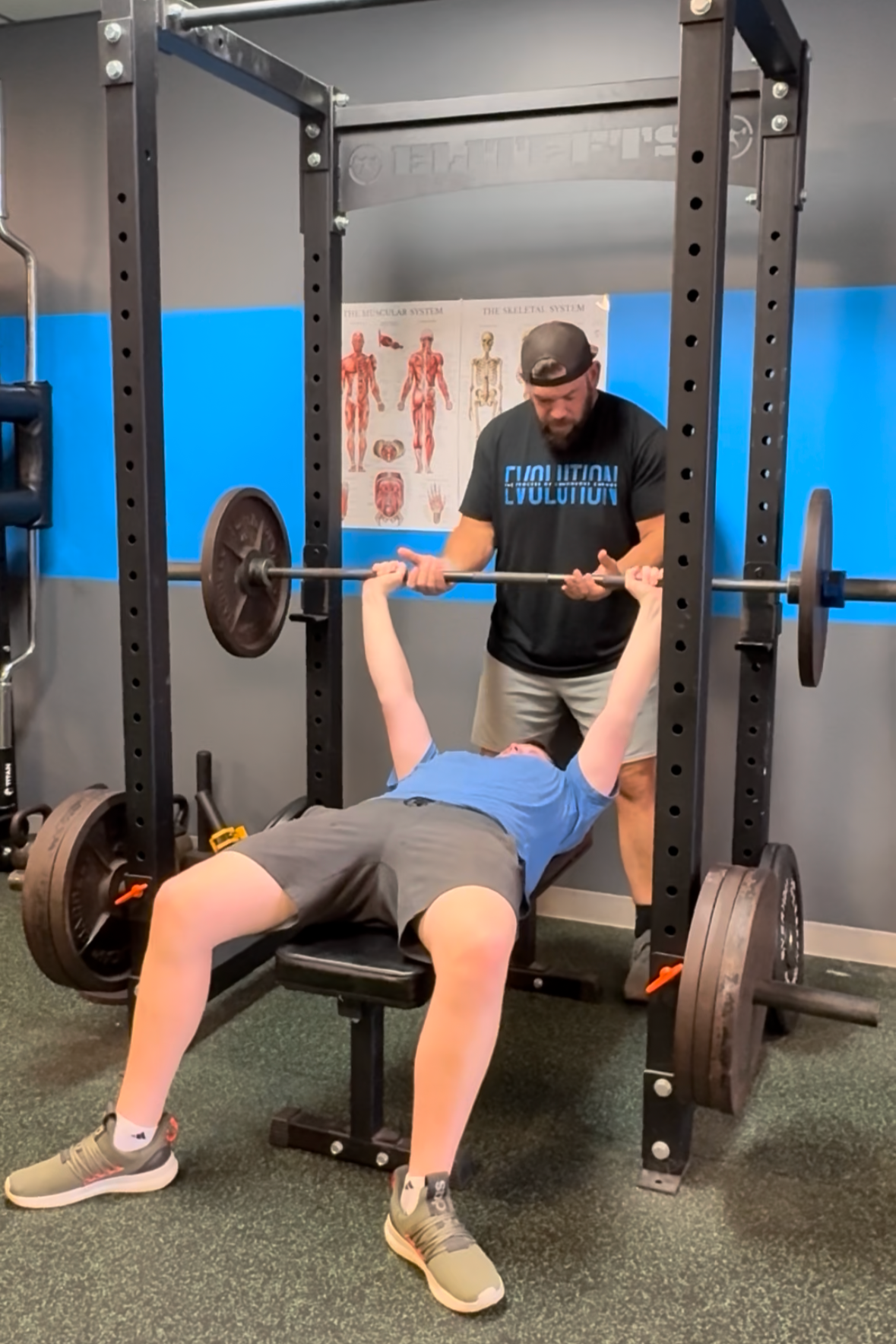
Motivation is great — at first.
The beginning of any new goal feels exciting. The newness gives you energy. You feel locked in. You tell yourself this time is different.
But after the first few days or weeks, the novelty wears off. Life shows up. Motivation fades. And that’s where most people get stuck.
No amount of motivational David Goggins videos is going to carry you long term (as entertaining as they are 😄).
That’s because motivation isn’t meant to last. Habits are.
Motivation vs. Habits
Motivation is emotional.
Habits are behavioral.
Motivation helps you start. Habits help you continue.
Research typically suggests it takes anywhere from 30 to 60+ days to begin forming a habit, depending on the behavior and the person. But the exact number matters less than this truth:
Habits are built through repetition, not intensity.
You don’t need extreme changes. You need small changes done consistently.
My Own Experience With Momentum
At my heaviest, I was over 100 pounds heavier than I am now.
That weight loss didn’t happen in a year. It happened over about four years.
That averages out to roughly:
25 pounds per year
About ½ a pound per week
Nothing extreme. No crash diets. No unsustainable routines.
Early on, our family dinners looked very different:
Hamburger Helper
Hot dogs
Spaghetti with Texas toast
Sloppy Joes
Over time — slowly — those meals transitioned into:
Chicken, rice, and veggies
Steak, potatoes, and veggies
Salmon, sweet potatoes, and veggies
It didn’t happen overnight. But now? That feels completely normal.
The same goes for soda. Early on, I still craved regular Mountain Dew. Now, a regular soda tastes too sweet because my habits changed. I don’t even miss it.
That’s the power of momentum.
Momentum Is Built Brick by Brick
This past year, I trained 200–250 days — about 4–5 times per week.
There’s no version of me from years ago that could’ve sustained that.
But just like anything else, you train your body and your habits adapt.
The mistake people make is trying to go from zero to 100 and expecting it to be sustainable. That rarely works long term.
Instead, think in levels.
If you currently average:
4,000 steps per day → aim for 5,000
Then 6,000
Then 7,000
Each step is a brick.
We use the phrase “brick by brick” because that’s how meaningful change is built — not from one massive effort, but from small daily decisions stacked on top of each other.
Small Daily Wins Matter
That extra walk to hit your step goal isn’t going to transform your body on its own.
But when you stack:
Extra steps
Protein-forward meals
Consistent training sessions
Adequate sleep
…day after day, week after week, that’s when progress compounds.
This is why building streaks is so powerful. Momentum builds confidence. Confidence builds consistency.
Where Coaching Comes In
This is exactly where our habit scorecard comes into play.
It’s not about perfection.
It’s about awareness and consistency.
And this is also where coaching matters most.
Our coaching isn’t about yelling motivation or hype. It’s about:
Keeping you accountable to daily behaviors
Helping you course-correct when life happens
Making sure small misses don’t turn into full restarts
Sometimes motivation shows up. Most of the time, accountability does the heavy lifting.
And that’s what creates momentum.
Final Thought
If you’re waiting to feel motivated, you’ll always be starting over.
If you focus on building small, sustainable habits — brick by brick — momentum will take you farther than motivation ever could.
That’s how real change happens.
⚡ Supplements Teens Might Be Tempted By – What You Need to Know
As a strength coach for young athletes, I get lots of questions about supplements. If your child is on social media, chances are they’ve seen fitness influencers pushing products with flashy labels and big promises. Even without social media, they may have friends at school already experimenting with supplements.
As both a coach and a dad of a 16-year-old football player and wrestler, I’ve lived this question from both sides. Below is a quick guide to the Top 10 supplements teens are most tempted to try, what they are, what they do, and my take on them.
I’ve rated each one on a scale from 💪🏻 (not necessary / possibly unsafe) to 💪🏻💪🏻💪🏻💪🏻💪🏻 (great supplement & safe to use responsibly).
1. Pre-Workout Powders
Appeal: Big pump, candy flavors, energy boost.
Risks: Excess caffeine (300–400mg/scoop), jitters, sleep issues, reliance on artificial energy.
Verdict (💪🏻): Most tempting, least necessary. Teens already have plenty of natural energy—don’t let caffeine become a crutch.
2. Energy Drinks (Monster, Celsius, Bang, etc.)
Appeal: Fast energy before practice.
Risks: Jitters, dehydration, poor sleep, sugar crashes.
Verdict (💪🏻): Same category as pre-workout. I personally drink them as an adult, but for teens with no caffeine tolerance, the effects hit much harder.
3. Creatine
Appeal: One of the most researched supplements for strength and muscle gains.
Risks: Safe if taken properly, but teens may overdo it or forget hydration.
Verdict (💪🏻💪🏻💪🏻💪🏻): Excellent supplement, safe and effective. My son uses it regularly with great results.
4. Protein Powders & Meal Replacement Shakes
Appeal: Convenient protein boost, widely used by athletes.
Risks: Low-quality brands or replacing meals instead of supplementing.
Verdict (💪🏻💪🏻💪🏻): Safe when using reputable brands. Remember: food first, shakes second.
5. BCAAs (Branched Chain Amino Acids)
Appeal: Marketed as muscle-repair magic.
Risks: Unnecessary if daily protein intake is already high.
Verdict (💪🏻💪🏻): Overhyped. Not harmful, but money is better spent elsewhere.
6. Fat Burners / “Shred” Pills
Appeal: Quick results, lean look.
Risks: Dangerous stimulants, anxiety, dehydration, heart risks.
Verdict (0): Absolutely not. No place for teens.
7. Testosterone Boosters
Appeal: “Natural muscle builder” claims.
Risks: Interferes with natural hormone development, usually ineffective.
Verdict (0): Not needed. Teen boys already have naturally high testosterone.
8. Collagen Powders
Appeal: TikTok/IG hype for hair, skin, and joints.
Risks: Not harmful, but limited athletic performance benefit.
Verdict (💪🏻💪🏻): Could be useful for overall wellness (especially for females), but not essential for performance.
9. Electrolyte Powders (LMNT, Liquid I.V., Gatorade Endurance)
Appeal: Recover like the pros.
Risks: None, unless overused in short, easy workouts.
Verdict (💪🏻💪🏻💪🏻💪🏻💪🏻): A staple for athletes training hard in heat. Our family uses LMNT daily.
10. Caffeine Pills
Appeal: Cheap energy hack.
Risks: Easy to overdose, stronger than coffee, unsafe for teens.
Verdict (0): Totally unnecessary and risky.
Final Thoughts:
Supplements can feel like a “shortcut,” but they’re not magic. The foundation for performance will always be whole foods, hydration, sleep, and consistency in training. Only after those are in place should supplements even be considered—and only the safe, proven ones like protein, creatine, and electrolytes.
As always, I’m here to help guide your athlete’s nutrition the right way. If you’ve got questions about what’s best for your son or daughter, just let me know—I’d be glad to help.
Coach Kyle
Fueling Performance: Nutrition Tips for Teen Athletes
Let’s talk nutrition—specifically for our teen athletes. Training hard is only half the battle; how you fuel your body makes a big difference in your performance and recovery. Here are some simple but powerful tips:
Stick to whole, one-ingredient foods when you can. Think lean meats, fruits, rice, oats, etc.
Prioritize protein at every meal. Protein builds muscle and keeps you feeling full longer.
Time your carbs—eat most of them around training and practices to fuel performance.
Fruit is nature’s dessert. It’s sweet, energizing, and packed with vitamins and fiber.
Hydration matters. Water is great, but don’t forget electrolytes—especially sodium (salt).
Supplements are just that—supplemental. Focus on real food first. That said, creatine is one of the most researched and proven supplements. It can help increase strength, power output, and muscle mass—especially in teens lifting consistently.
Here’s an example of what a solid day could look like:
Breakfast: Oatmeal with blueberries and scrambled eggs (or a whey protein shake)
Lunch: 6 oz grilled chicken, sweet potato, and a small salad
Post-Workout Snack: Banana with peanut butter
Dinner: 6 oz lean steak, white rice, and sautéed vegetables
There’s still time to join our summer athlete program and lock in consistent training and support!

Why Every Athlete Needs a Performance Season This Summer
As we head into summer, I want to challenge the idea that training is just something you do during a sports season. If we want our athletes to keep progressing — not just maintaining — we need to start thinking differently.
Let’s make the case for a Performance Season.
☀️ Summer = Your Performance Season
The summer is the perfect window to focus on getting stronger, faster, and more powerful — without the stress of games or tournaments.
This is where real progress is made.
🏗️ Build the Foundation, Then Add the Skill
Strength, speed, and power are the base that all sport skills are built on.
Better physical tools allow athletes to actually express their skills at a higher level.
Many technical issues that show up during competition are actually the result of strength deficits, not lack of coaching.
🔁 What’s the Difference Between In-Season & Off-Season?
In-Season Training = Maintain performance. Stay sharp. Manage recovery.
Off-Season Training = Build the base. Develop new levels of athleticism.
This summer is your athlete’s chance to reset, rebuild, and come back better.
🛡️ Build Armor. Prevent Burnout.
A focused off-season helps protect the body from future injury.
It allows athletes to recover mentally and physically from a long season.
Training in a new way keeps it fun and fresh — helping avoid burnout and overuse injuries.
💡 Year-Round Training with Purpose
Training year-round doesn’t mean going all-out all the time. It means having a plan that adapts to the season.
Let’s make this summer a performance season — and set the stage for your athlete’s best season yet.
Let me know if you’d like help building a plan that fits your athlete’s goals!
Kyle Woods
Build Performance

Avoiding Burnout in Youth Sports: Why Variety and Recovery Matter
As parents and coaches, we all want the best for our athletes - to see them thrive, succeed, and enjoy the journey along the way. But in today’s youth sports culture, where more often means better, we’re seeing a troubling trend: burnout is happening earlier and more frequently than ever before.
Overtraining is real - even for young athletes.
Constant practice in a single sport can lead to physical fatigue, mental exhaustion, and a growing number of injuries. Overuse injuries like ACL tears and even Tommy John surgeries, once reserved for college or pro athlete, are now occurring in middle school. It’s a clear sign that something needs to change.
Burnout isn’t just physical.
When sports stop being fun, motivation drops. I’ve spoken with countless young athletes who’ve said they just want to be a kid again. A simple break or shift in routine can reignite their passion. Sometimes, stepping away for a moment is what brings them back stronger.
Variety builds a better athlete.
Exposing young athletes to different types of movement - speed work, strength training, functional fitness creates well-rounded development and reduces repetitive strain. Strength is the foundation on which skill is built. Without it, that “ceiling” of potential remains low.
Recovery isn’t optional - it’s essential.
Rest days, quality sleep, and solid nutrition are what fuel progress. Without them, even the most talented athlete will eventually hit a wall.
Early specialization can backfire.
Yes, there’s pressure to focus early. But the truth is, it’s better to build the best 16- to 18-year-old athlete than burn out the best 12-year-old. A strong foundation leads to lasting performance and fewer injuries when it really counts.
Cross-training keeps things fresh.
It prevents physical imbalances, keeps the body guessing, and - maybe most importantly - keeps athletes mentally engaged.
Summer is the perfect time to reset.
The break from school sports and hectic schedules gives young athletes a window to switch things up, focus on building a strength foundation, and return to their sport stronger, faster, and more resilient.
The bottom line?
We’re in this for the long haul. Developing athletes who love their sport, stay healthy, and continue to grow takes intention. Let’s train smarter, not just harder.
If you’re interested in exploring training that builds strength, improves athleticism, and supports long-term success, let’s talk.
Kyle Woods
Build Performance

Stronger Together: A New Way for Families to Train
At Build Performance, we believe fitness isn’t just about sets and reps—it’s about creating a lifestyle that impacts generations.
That’s why we’re excited to offer a unique opportunity for parents and athletes to train at the same time, in the same place, with programs designed specifically for each.
Why it works:
Shared Schedule = Shared Success
When parents and kids train simultaneously, it simplifies busy family routines. As parents, nothing pushes us to give our best like our kids watching. And for our kids, seeing us push ourselves gives them the same drive.Lead by Example
Modeling a healthy, driven lifestyle helps shape the long-term choices of our kids. When they see you chasing your goals, they learn to chase theirs too.Fitness as Family Culture
Training side-by-side turns fitness into something more than a chore—it becomes a shared value and a way of life.Maximize Your Time
Use your child’s training hour as your time too. No more sitting in the car or waiting on the sidelines—get in a great workout for yourself.Mutual Motivation + Built-In Support
There’s something powerful about growing stronger together. You’ll motivate one another, hold each other accountable, and celebrate wins as a team.Habits That Last
Consistency in fitness builds discipline, stress management, and resilience—on and off the field, for both kids and adults.
Here’s how it works:
Join us on Tuesdays and Thursdays from 6–7 PM for our Hybrid Athlete/Adult Class.
Athletes train with Coach Kyle using our performance-based system.
Adults train with Coach Chey in a high-energy, functional fitness class.
It’s a perfect opportunity to grow stronger—together.
Message us to learn more or to grab your spot!

Build Performance Summer ‘25 Programs – Registration Now Open!
We’re excited to announce our Summer ‘25 Training Lineup at Build Performance! Whether you’re an athlete, a parent looking to get fit, or a young student wanting to move and have fun, we’ve got something for you this summer.
ATHLETE TRAINING (Ages 11–18)
Designed to help athletes improve strength, speed, power, and agility to dominate on the field or court.
Small group coaching with an emphasis on movement quality and athletic performance
3 Days/Week: $125/month or $285/summer
2 Days/Week: $90/month or $225/summer
ADULT TRAINING
Learn to lift safely and effectively with personalized coaching in a small group setting.
3 Days/Week: $75/month or $175/summer
2 Days/Week: $60/month or $140/summer
HYBRID ADULT/ATHLETE CLASS
Train side-by-side with your athlete!
Tuesdays & Thursdays | 6:00–7:00 PM
Athletes train with Coach Kyle, adults train with Coach Chey
10% discount when combining parent & athlete training
YOUTH SPEED, AGILITY & STRENGTH (Ages 8–12)
June 2 – August 22 | Tuesdays & Thursdays | 9:00–10:00 AM
A fun, high-energy class using games, plyometrics, and resistance training
Perfect for kids looking to move, compete, and grow in a structured environment
PERSONAL TRAINING
1-on-1, fully customized coaching designed around your goals
60-minute sessions
12 & 24 session packages include goal setting, movement/nutrition consultation, and a daily e-checklist for accountability
Questions or ready to sign up?
Reach out at buildperformancenc@gmail.com or call (336) 404-4221.
You can also visit buildperformancenc.com for more info!
Let’s build something great this summer—brick by brick.
—Team Build Performance
P.S. Don’t forget our 3 Year Anniversary party Friday 5/9 from 6-8. FREE food and fun for the whole family!


Breaking the All or Nothing Mindset
At Build Performance, we live by one simple mantra: Build the Wall.
Every positive choice you make—every workout, every healthy meal, every time you show up—adds a brick to your wall. It’s about consistency, not perfection. One bad decision doesn’t knock down your progress. One missed day doesn’t undo all the work you’ve put in. Keep stacking bricks.
Here’s how we break free from the all-or-nothing mindset:
Consistency beats intensity.
You don’t need a perfect week to make progress—you just need to keep showing up. Life isn’t perfect, and your fitness journey won’t be either. Keep going.Something is always better than nothing.
A 20-minute workout, a short walk, or a healthy meal all count. Find wins in your day. Even when your schedule is crazy—just move and add another brick.Progress isn’t linear.
When you spill a little milk, you don’t pour out the whole glass. Same with fitness—don’t let a missed session or bad week make you quit. Reset and keep building.Perfection is the enemy of progress.
Waiting for the “perfect time” only leads to more delays. The best time to start—or restart—is now.Shift your mindset to “all or something.”
Doing what you can, when you can, adds up to real change. Fitness is a marathon, not a sprint.Discipline is built through repetition.
Start small. Pick one thing to do every day. When that becomes routine, add another. Small wins lead to big breakthroughs.Focus on habits, not motivation.
Motivation comes and goes. What keeps you moving forward? Systems, routines, and accountability.Show yourself grace—but not excuses.
Be kind when you miss, but don’t stay there. Recommit and move forward. The journey is yours—enjoy it.Fitness is a lifestyle, not a 30-day sprint.
The best plan is the one you’ll stick with. Keep it realistic. Keep it sustainable. Keep showing up.
Brick by brick, we build stronger people. Stronger athletes. Stronger communities.
Let’s keep building.
—
Want help stacking your bricks?
[Join us for a free trial session] or [Reply to this email] and we’ll help you get started.

Why Strength Training Is Essential for Young Athletes (and How to Do It Safely)
Is Strength Training Safe for Kids?
That’s one of the most common questions we get - and it’s a valid one. Unfortunately, there’s still a lot of misinformation out there. Some parents worry that lifting will “stunt their growth” or make them “too bulky,” especially for sports like baseball or basketball.
But here’s the truth: when done correctly, strength training is one of the most powerful tools a young athlete can have in their corner.
The Real Benefits of Strength Training for Youth
At Build Performance, we believe in equipping athletes with more than just conditioning - we build strength, confidence, and injury resilience. Here’s how:
Improved Athletic Performance
Speed and power are built on a foundation of strength - specifically, relative strength (how strong an athlete is compared to their body weight). The stronger the athlete, the more force they can put into the ground to sprint faster, jump higher, and hit harder.Injury Prevention
Strength and muscle act as armor for the body. We train not just for performance, but for protection -reinforcing muscles, joints, and connective tissue while teaching movement patterns that prevent injury.Confidence and Mental Toughness
Every time a young athlete moves up in weight or masters a new movement, it’s a win - and those wins build belief. We see it time and time again: kids who train with us walk taller, play harder, and lead more confidently.Lifelong Fitness Habits
When kids learn how to train the right way, early on, it sets the tone for a lifetime of health and fitness.
Debunking the Myths
Let’s be clear:
Myth: “It stunts growth.”
Fact: There’s no scientific evidence that strength training affects height when done with proper form and supervision. In fact, growth plate injuries are more likely to happen in contact sports like football or soccer than in structured training environments.Myth: “They’re too young to lift weights.”
Fact: We scale everything. Younger athletes start with bodyweight, medicine balls, bands, and light resistance - progressing only as they master movement.Myth: “They should wait until high school.”
Fact: Starting early with movement quality and body control sets them up for safer, more effective training in the future.
What Safe, Smart Training Looks Like
At Build Performance, every athlete’s program is:
Progressive: Age-appropriate, movement-focused, and gradually built over time.
Supervised: Every session is coached by professionals who specialize in youth development.
Balanced: We build total athletes -strength, coordination, mobility, and recovery are all part of the plan.
How We Do It at Build Performance
We start with movement. Every athlete who trains with us learns to hinge, squat, push, pull, rotate, and carry with purpose and control.
Small group sessions ensure close attention and strong coach-athlete relationships. No one gets lost in the crowd, and every athlete is guided with intention.
Our athletes don’t just get stronger they develop physical literacy, mental toughness, and confidence that carries over to every part of their lives.
Ready to See the Difference?
If you’re curious about how strength training could support your athlete’s goals - whether it’s injury prevention, more power on the field, or building confidence we’d love to show you what we do.
Come observe a session.
Schedule a free trial.
Ask questions. We’re here for it.
Let’s build something better together.
-The Build Performance Team

Why functional fitness matters at every age…
Whether you’re playing pickleball, hiking, or chasing your kids or grandkids, functional fitness helps you do it better—and for longer.
At Build Performance, we pride ourselves on designing programs that do more than just check a fitness box. With expert guidance from our coaching team, our versatile training can help you put on muscle, build strength, support weight loss, and develop functional fitness—or a combination of all these goals.
The truth is, as we support a healthy weight, increase lean muscle, and get stronger, we become more capable as humans. Your level of fitness determines how well you function in everyday life—whether that’s running a 5k, water skiing at the lake, hiking a new trail, or simply keeping up with your grandkids.
Here’s why functional fitness matters at every age:
1. Functional Fitness = Real-Life Strength
It’s not just about lifting weights—it’s about being strong enough to live the life you want.
Whether it’s playing with your kids, exploring the outdoors, or carrying groceries with ease, functional fitness turns everyday tasks from a challenge into something effortless.
2. Longevity Over PRs
While setting records is fun, our real focus is your long-term health.
Fitness doesn’t “keep,” which is why we train for the life you want to live—today and decades from now. Functional training supports joint health, mobility, posture, and balance so you can move well for life.
3. Independence as You Age
Strength = freedom.
You’ve worked hard for your time, your travel, your hobbies—don’t let lack of fitness steal your ability to enjoy them. Staying active helps you stay independent, mobile, and injury-free well into your 50s, 60s, 70s, and beyond.
4. Injury Prevention Through Movement Quality
We don’t just teach you to move—we teach you to move well.
Functional training builds strength through full ranges of motion, improves your coordination, and helps you stay in control in real-world situations. That means fewer injuries and more confidence.
5. Anyone Can Start—At Any Age
You don’t need to “get in shape” to start.
We meet you where you are and modify movements as needed. No matter your age or experience level, it’s never too late to build strength, energy, and confidence.
6. Carryover into Sports and Hobbies
If you’ve been on the fence about getting started, we’d love to show you how approachable and empowering functional fitness can be.
Ready to feel better, move better, and live stronger?
[Schedule a free session or come check out a class.]
Let’s build a better you—for life.
—
The Build Performance Team


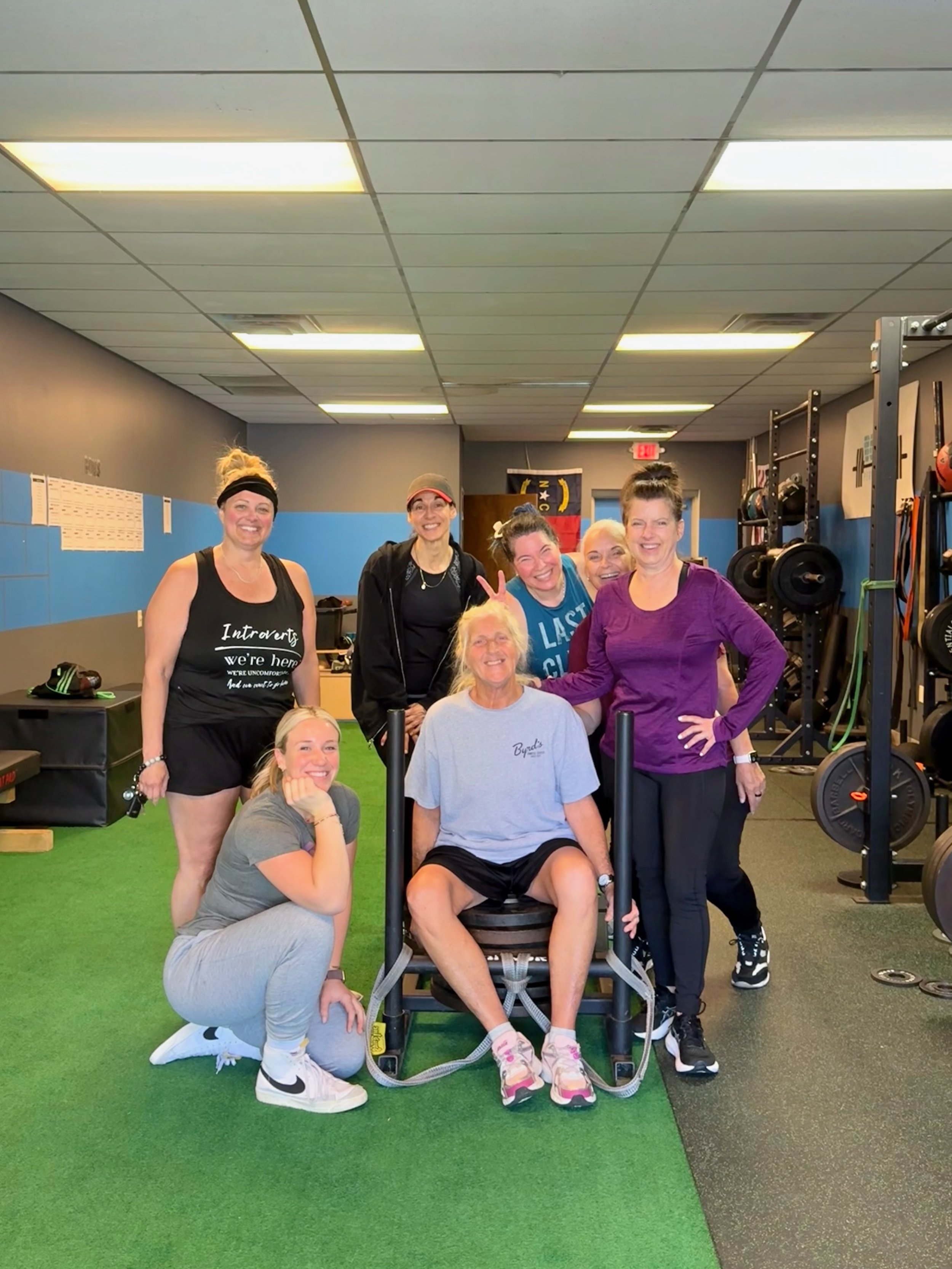
What sets Build Performance apart…
At Build Performance, we’re more than just a gym—we’re a community built on purpose, passion, and people. We believe in fitness that transforms not just bodies, but lives. Here’s what makes us different:
1. Our Mission: More Than Just Fitness
We’re not here just to make people sweat—we’re here to build strong, capable humans. Our impact goes far beyond the gym walls.
Whether it’s a student-athlete chasing their dreams or an adult trying to stay healthy for their family, our goal is to meet you where you are and help you go further than you thought possible.
We focus on long-term growth—not quick fixes. No gimmicks here, just consistent, smart training that lasts a lifetime.
2. Our Why: Building Better People
Build Performance was started with one mission: to help people become the best version of themselves.
Fitness is an incredible tool for building confidence, character, and community. Sure, the physical results are great—but the mental shift is life-changing.
When someone commits to training, it ripples out—into their homes, their teams, their work, and their entire life.
3. Our People: Coaches Who Care
Our coaches don’t just run workouts—they build real relationships. We get to know you. We celebrate your wins on and off the floor.
Whether it’s a kid’s big game or an adult’s career milestone, we’re cheering you on.
With small group training, you get the personal coaching you need—with the energy and support of a tight-knit group.
4. Our Culture: Encouragement Over Ego
There’s no ego here—just hard work and support. You’ll walk into a positive environment where everyone wants to see you succeed.
We believe in healthy competition, but we also believe in lifting each other up. Whether you’re 8 or 65, a powerlifter or a pickleball player—you belong here.
5. Our Impact: Life Beyond the Gym
We’re not just creating better athletes—we’re helping young people develop discipline, confidence, and work ethic.
We’re not just helping adults lose weight—we’re helping them show up better for their families, their careers, and themselves.
The work done here carries over into every area of life.
6. Our Vision: A Place That Grows With You
From middle school athletes to parents training before the kids wake up—this gym is for life.
We’re here to guide you at every stage, with training that adapts to your goals and lifestyle.
Our vision is simple: create a space where fitness is accessible, meaningful, and truly transformative.
Ready to see what makes Build Performance different?
Come try a session and experience it for yourself.

We Don’t Just Build Athletes—We Build Confident, Disciplined Young Leaders
At Build Performance, we don’t just train for today’s game—we train for life.
With the rise of travel sports and year-round specialization, athletes are facing more pressure than ever to perform. But true development isn’t just about wins, stats, or speed. It’s about becoming stronger, more confident, more disciplined—on and off the field.
Yes, we’ll help your athlete get faster. Yes, we’ll help them get stronger. But that’s just the beginning.
When they train here, they’ll also:
Build real confidence
Improve their mood and energy
Learn discipline and accountability
Develop a strong work ethic
Make lasting friendships
Discover how to enjoy exercise—and stick with it for life
Let’s break down what we mean when we say we build the complete athlete:
1. Physical Development
We lay the foundation first.
Strength training is introduced with proper technique and safe, progressive movements.
Speed and agility work is tailored to their sport, helping improve explosiveness, coordination, and footwork.
We incorporate mobility and recovery work to keep them moving well—and prevent injury.
2. Performance with Purpose
Everything we do is intentional.
Training is built for long-term development, not short-term gain.
We don’t chase early success—we prepare athletes to thrive as strong, confident 16–18-year-olds, not just burn out at 12.
Movement quality comes before max effort—we move well, then we move fast.
3. Character Development
This is where the real wins happen.
Accountability: Showing up, doing the work, and adding a brick to the wall every day.
Discipline: Pushing through challenges and getting comfortable with being uncomfortable.
Leadership: Learning to support and uplift their teammates—in the gym and in life.
Confidence: Becoming the best version of themselves. No comparisons. Just consistent growth.
Our Approach
We train smart, not just hard.
Our coaches care about the athlete as a person first. We focus on proper movement, quality programming, and creating a positive, respectful environment where athletes grow together. Our training groups become more than just teammates—they become friends. And training becomes something they look forward to.
Results That Last Beyond the Game
The habits and mindset your athlete builds with us extend far beyond the weight room. Whether they play sports for a few years or go on to compete at the next level, they’ll leave our program with confidence, discipline, and a love for movement that can last a lifetime.
Ready to Get Started?
We’d love to meet your athlete and show you what we’re all about. Let’s build something bigger than just performance. Let’s build the complete athlete.
– Coach Kyle
Build Performance

Skills vs. strength
🚨Parents of Baseball and Softball athletes🚨
Do you want to get an edge on the competition? Do you want to help your child take their game to the next level? Worried about them not earning a starting spot or possibly getting cut?
👇🏻👇🏻👇🏻
Then cancel their next hitting lesson and get them set up with a quality strength training program (like Build Performance 😃) for the next 8 weeks. They will go into their season faster, stronger and more powerful, which will unlock loads of new skill potential. Now ideally there would be the opportunity to do both skill work and physical preparation. But the trend of prioritizing skill work has to stop if you want your athlete to reach their full potential. I hate to be the one to break the bad news but your batting technique and bat to ball skills aren’t going to mean much if your swing speed is sub-par.
If we imagine the athlete as a house then physical preparation would be the foundation. The quality of the foundation dictates the potential of the rest of the house. No matter how nice the cabinets, flooring or appliances are, without a solid foundation that house will crumble. Without proper strength, speed and power the athlete won’t be able to fully express the skill work being put in. Also many technique issues or inability to execute skill cues are a result of lack of coordination, body awareness and relative strength.
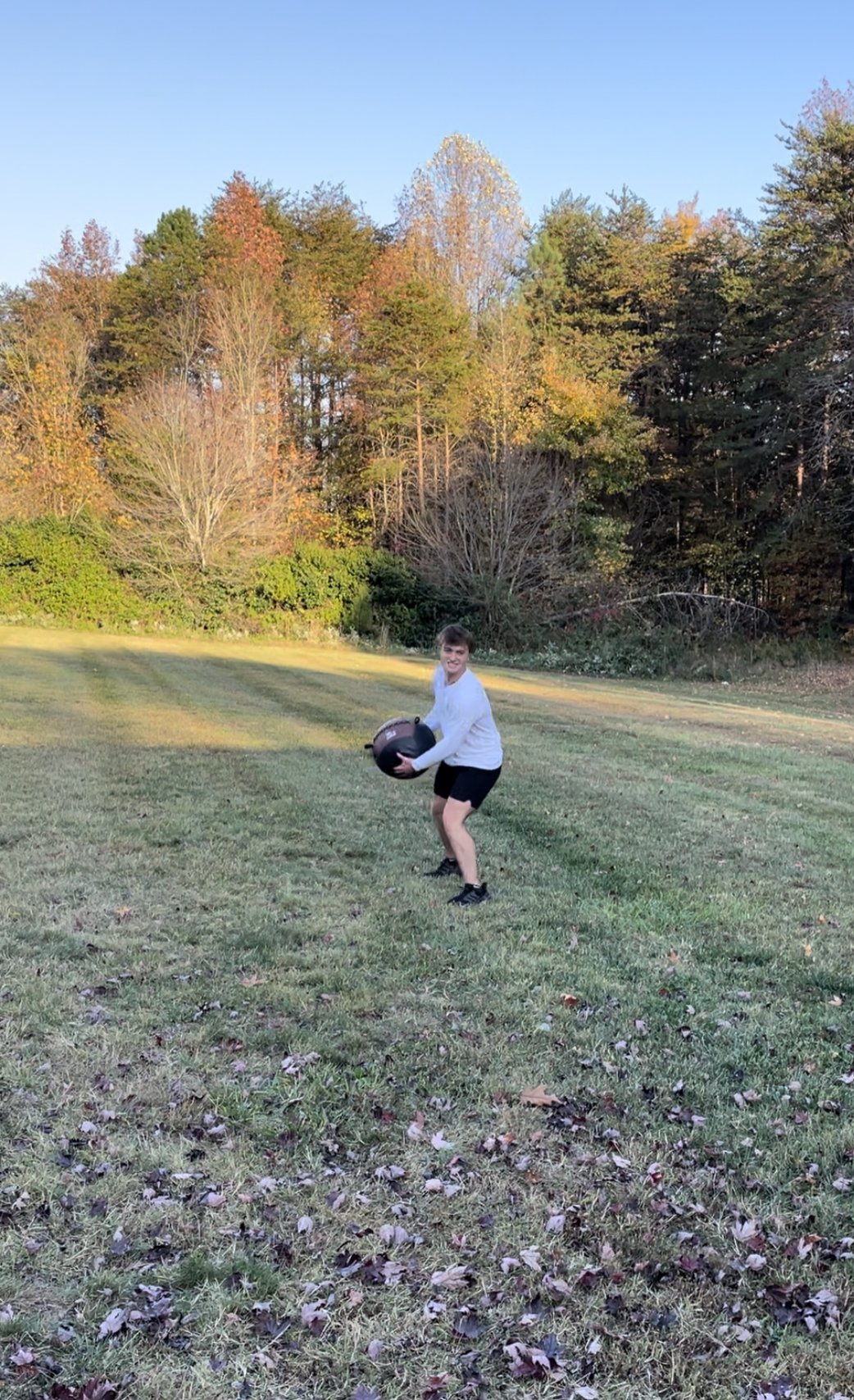
At Build Performance, in addition to building a strength base through fundamental movements we utilize many specific exercises to target rotational power for our Baseball/Softball athletes. My top five med ball exercises for rotational power are:
Med Ball Shotput Throw
Med Ball Rotational Scoop Throw
Partner Rotational Catch and Throw
Med Ball Shot Put with Lateral Pulses
Rotational Med Ball Slam
We also prioritize many arm and shoulder exercises to strengthen and help prevent injury during the throwing motion. Five of my favorite movements to use are:
YTI’s
Overhead plate raise
Shrugs
Chin-ups/Deadhangs
Face Pulls
Now if you are the parent of a younger athlete and access to a Strength and Conditioning facility is not an option I have 5 movement to start implementing at home with no equipment right away!
Chin-ups/Deadhangs
Lunges
Pogo jumps
Push-ups
Max effort sprints

6 Week Transformation Challenge
Our Spring 6 week Transformation Challenge is something that I’m very excited about and I can’t wait to share my vision with you. I want to take this opportunity to explain a little bit of how the challenge will work and what it can do for you. The challenge will begin on March 27th and end May 7th.
Goals
This challenge can create a training camp atmosphere for summer. Providing the extra motivation to turn up the intensity to reach your fitness goals.
Over these 6 weeks you will establish effective habits that result in creating positive change in your health.
If you’ve been putting off making changes or are currently in a plateau this can kickstart your fitness journey
Experience the power of community support. A group of people working towards their goals alongside one another can be a powerful thing. You will help to hold others accountable while being held accountable by those same people. A rising tide raises all ships.
Features
People participating in the challenge will be added to a private Facebook group. This will be a space used to share motivation, recipes, nutrition advice, workouts, struggles and everything else that can keep us on the right track.
Through the challenge we will share training tips and workouts to help get your activity level up.
The challenge will feature a digital daily checklist to help keep track of your healthy habits. This will also be shareable to social media.
The checklist features 4 habits created by us and a fifth habit that will be personal to you.
Habit #1 - 10 minutes of deliberate movement. This can be a workout, yoga or an outdoor walk. There are lots of options here but it must be intentional.
Habit #2 - 7+ hours of sleep. Sleep is one of the top habits that can improve your fitness. If you don’t get enough sleep you are stacking the deck against meeting your goals.
Habit #3 - at least 30 oz water. Hydration can help keep hunger away in addition to numerous other health benefits.
Habit #4 - log your food. No matter what your goals are with out the data on what you are eating it can be extremely difficult to make changes. MyFitnessPal or the Lose It app are great free apps to log your food.
Habit #5 - this habit is unique to you. Thinking of your goal for the challenge, what is a daily habit that can help you reach that goal? Some ideas could be getting a certain number of steps per day, consuming a certain amount of protein per day, etc.
Another aspect of the daily checklist is the brick wall. Build the Wall is saying that we use and you can find more about its meaning in the about me section of our website. But the general idea is that every positive decision is like adding a brick to your wall. Day after day stacking bricks on your wall you will reach your goal. Each successful day you can mark one brick on your wall. This creates a visual over the course of the challenge as we get closer to the end.
A huge feature of this 6 week challenge is the community support. It can not be overstated how helpful it can be to go through a literal challenge alongside other people. We will encourage others to keep going when it gets tough and there will be people that encourage you to not quit when it gets hard.
An optional feature will be a 20 minute video chat with me and/or Cheyenne to talk through your goals and how we can help you reach them. \We can share any tips or strategies that we’ve seen be effective. This will be made available to you if you choose, it’s not a requirement.
We have a great list of prizes to giveaway.
Rules
You must set a goal to work toward, this can be unique to you and your goals. Some ideas to consider: losing a certain number of inches in areas you choose, taking a before & after picture, losing or gaining a certain number of pounds, achieving a Personal Record in a lift, etc. If you need help setting your goal, we are here to help.
Your goal must be trackable. An important part of setting goals is to make sure that you can track your progress along the way.
You must keep up with the daily checklist and track your compliance on a daily basis. Sharing on social media is encouraged but not required.
Over these 6 weeks there are 42 days. 42 bricks that you can stack up to Build Your Wall. In order to be eligible for one of the prizes you must successfully check all of the boxes on your daily checklist for 38 out of the 42 days.
The prizes will be drawn randomly from the pool of people who successfully complete the challenge.
Prizes
1 month free membership to Build Performance
A free mini session from Cheyenne Woods Photography
A Build Performance T-Shirt
A gift card for Dinner & a Movie
A 24 pack case of White Monster Energy Drinks
A case of Fair Life Core Power Protein Shakes
A 6 count of Super Coffees
A Build Performance shaker cup
To sign up just click the link below and fill out the form: